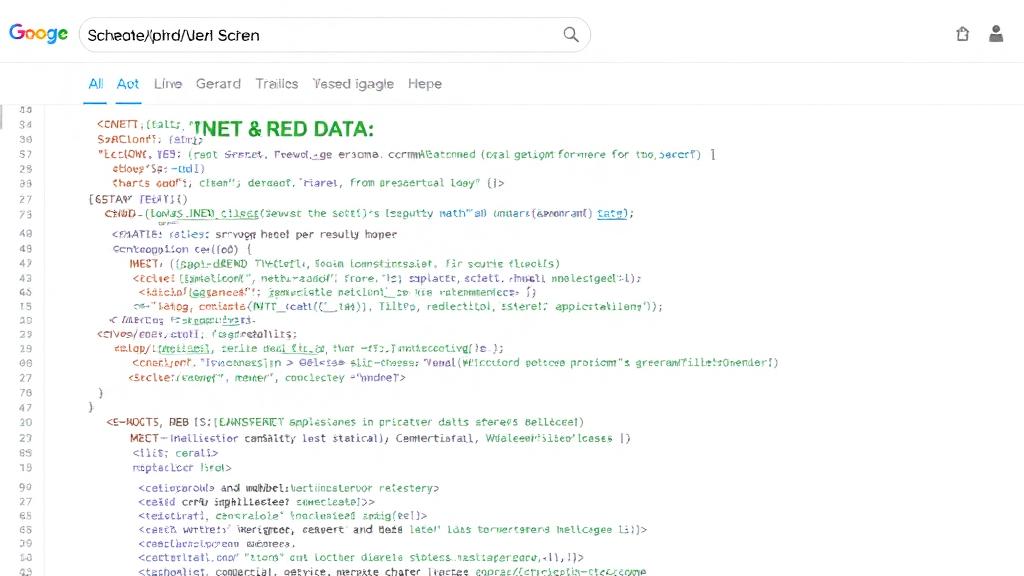
What is Schema Markup?
Schema markup is structured data code that helps search engines understand your content better. When implemented correctly, it can generate rich results like star ratings, FAQs, product info, and more directly in search results.
Why Schema Markup Unlocks Rich Results and Enhanced SERP Visibility
Schema markup (structured data) is JSON-LD code that helps search engines understand the context and meaning of your content. When properly implemented, schema can trigger rich results in Google - star ratings, FAQ dropdowns, product prices, event details, how-to steps, and more - dramatically increasing your click-through rate from search results.
Our schema implementation covers all major types: LocalBusiness for local SEO, Product and Offer for e-commerce, FAQ and HowTo for informational content, Article and BlogPosting for publishers, Event for time-sensitive content, Person and Organization for brand entities, BreadcrumbList for navigation, and VideoObject for multimedia content.
Schema markup also plays a critical role in AI search optimization. Structured data helps AI engines like ChatGPT, Perplexity, and Google AI Overviews understand your content's relationships, facts, and context - making your pages more likely to be cited in AI-generated responses and knowledge panels.
Our Schema Implementation Process
Schema Audit
Review existing structured data and identify opportunities for rich results.
Schema Strategy
Determine which schema types are relevant for each page on your site.
Implementation
Add JSON-LD structured data to your pages following Google's guidelines.
Testing & Validation
Validate all schema using Google's Rich Results Test and Schema Validator.
Monitoring
Track rich result appearances in Google Search Console and adjust as needed.
Tools We Use
What You Get
- Schema audit report
- Custom JSON-LD implementation
- Rich Results Test validation
- Schema documentation
- Google Search Console monitoring
- Monthly rich result performance reports